
When Medicine Becomes Marketing
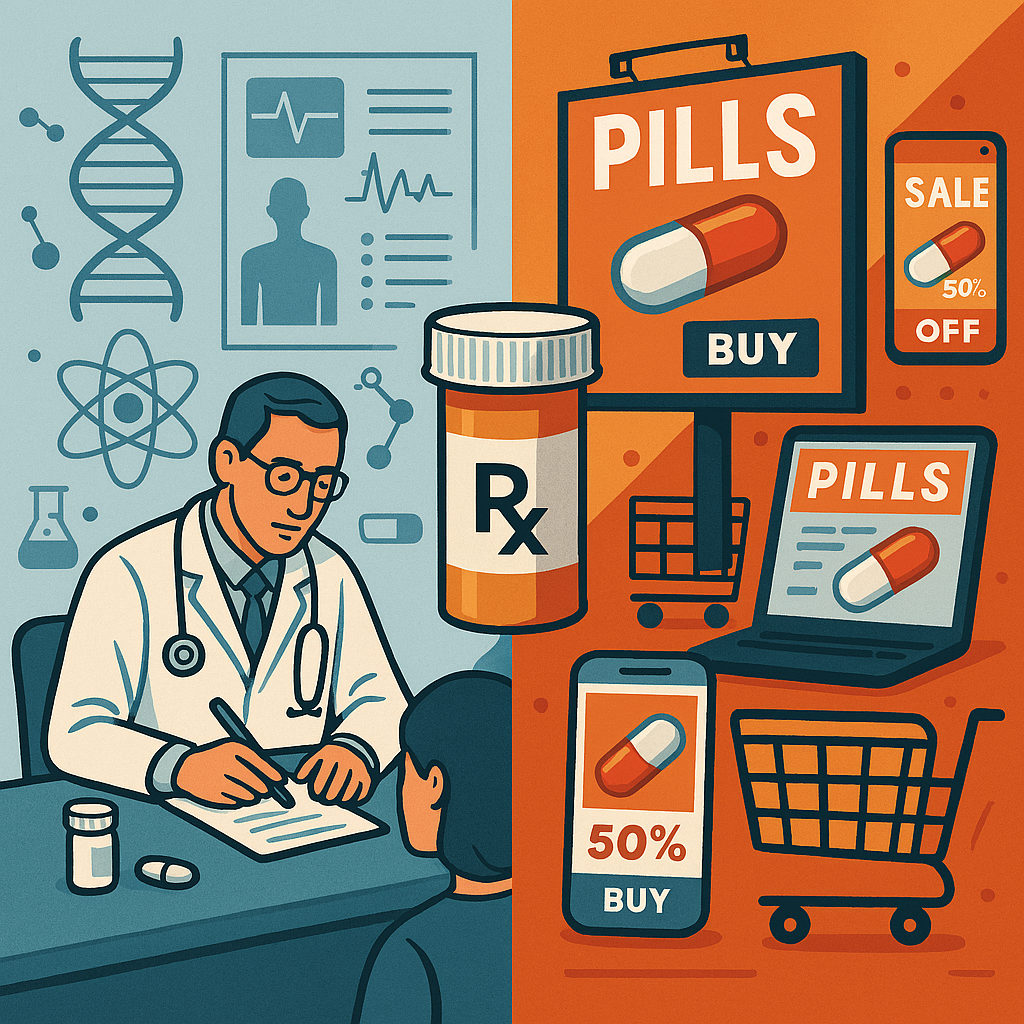
In today's world, where media and marketing are everywhere, advertisements influence many of our daily decisions, from the foods we consume to the electronic devices we purchase. When persuasive advertising methods are utilized in the field of medicine, however, the impacts extend far beyond the products that individuals choose to purchase. They have the ability to alter that which people do with regard to their health, the decisions that doctors make, and the way that people think about medical treatment. Prescription drugs are powerful therapeutic instruments that are intended to aid in the treatment of complex illnesses when they are administered under the supervision of a qualified medical practitioner. When compared to consumer goods, the safe utilization of these products requires a precise diagnosis, the administration of the appropriate dosage, and ongoing supervision by qualified medical professionals. When these medications are advertised directly to the general public either on television, in newspapers, or on social media platforms, it becomes difficult to differentiate between the advice of medical professionals and the influence of commercial interests. In light of this, a crucial ethical question arises: Should pharmaceuticals that require the supervision of a trained professional be sold in the same manner as other products?
Distinctive Characteristic of Prescription Drugs
Prescription medications are not the same as over-the-counter products in any way. A variety of clinical considerations, including the following, influence their utilization: Ascertaining the sickness in the correct manner, in-depth examination of the patient's medical history as well as any additional issues, inquiring about potential medication interactions and examining the medication's effectiveness as well as its potential adverse effects. The complexity of the situation underscores the inadequacy of reducing medical treatment to advertising slogans or oversimplified commercial concepts. The professional relationship that exists between the patient and the healthcare provider is essential for the safe utilization of medications. There is a strong emphasis placed on the concept of rational use of medications by the World Health Organization as well as other global health organizations. This guideline indicates that patients should only receive the medications that are necessary for their condition, in the appropriate quantity, for the appropriate length of time, and at the lowest feasible cost to both the individual and society as a whole.
Impact of Advertising for Drugs on Individual Behavior
Public exposure to advertisements for prescription pharmaceuticals can significantly influence an individual's behavior and health care choices. Direct-to-consumer pharmaceutical advertising research indicates a strong correlation between viewing drug commercials and an increase in patients initiating treatment and adhering to their medication plans. When people see an advertisement for a certain medication, they go to their physician and ask for it. It can be good for patients to be involved in making decisions about their health care, but there are instances when they want to be involved more because of economic interests than because they need therapeutic assistance. Because of this, doctors may have to deal with instances where patients' expectations, which are shaped by ads, don't match up with the research-based therapy recommendations.
(Image source: Microsoft Designer)
The Power of Emotional Appeals in Drug Promotion
Making use of emotionally engaging storylines and visually appealing graphics is a common strategy that is employed in the process of convincing individuals to acquire pharmaceutical products. It is common for these advertisements to depict individuals returning to active lifestyles, families experiencing happiness, or individuals recovering from agony. It is possible that these kinds of messages will assist individuals in gaining a better understanding of specific conditions; but, they may also make complex medical issues appear to be overly straightforward. Emotional appeals may cause viewers to associate a specific medication with guaranteed healing, despite the fact that the actual results of treatment are dependent on a wide range of clinical factors.By taking this strategy, advertisements may cause people to think of drugs not as therapies that are carefully suggested but rather as quick cures for potential health problems.
Consumer Misconceptions About Drug Advertising
Another concern is that advertisements may lead individuals to believe that pharmaceuticals are risk-free when in fact they are not. There are many people who believe that the only pharmaceuticals that may be advertised are those that are completely risk-free, according to polls. Although any medication has potential benefits, it also has the potential to cause adverse effects, side effects, and contraindications. To determine whether or not a drug is safe to use, it is necessary to consider the patient's health as well as any other medications that they are currently taking. Those who hold this erroneous belief might not be aware of the potential risks associated with prescription medications, and they might put more stock in advertisements than in the advice of qualified medical professionals, which can lead to dangerous health decisions and inadequate management of their medical conditions.
Distortion of Medical Decision-Making
It is possible for physicians to experience feelings of pressure during consultations when patients request specific medications that they have seen advertised. Patients might become dissatisfied if their requests are denied, but granting them might not be the best therapeutic decision. Over the course of time, this dynamic has the potential to transform healthcare interactions from clinical evaluation to consumer-driven prescribing, which may effect the rational utilization of medications.
Clinical Benefit Versus Marketing Expenditure
One of the most essential aspects of successful drug promotion is the connection that exists between therapeutic benefit and marketing investment. Occasionally, pharmaceutical corporations allocate a greater portion of their advertising expenses to the promotion of medications that offer little additional therapeutic value compared to existing therapies. From a commercial perspective, advertising focuses on ensuring that your product is discovered by the greatest number of people and capturing the largest feasible market share. But from a healthcare standpoint, treatment choices should be based on scientific data, how well they work compared to other options, and the patient's safety. When the marketing of medications takes precedence over their clinical value, healthcare systems may incur increased costs on pharmaceuticals that offer just limited therapeutic advantages, leading to a situation where patients may receive treatments that are not the most effective or safe options available.
Encouragement of Self-Medication and the Abuse of Drugs
Drug advertisements that are seen by a large number of people may also make the idea of treating oneself appear to be as natural as possible. It is possible for individuals to try to find out what is wrong with them and obtain particular medications without being able to consult a physician or nurse. In situations where prescription medications, such as antibiotics, hormone therapy, or psychiatric medications, are involved, this kind of behavior can be highly dangerous. Antimicrobial resistance, a global issue, arises when microorganisms develop resistance to treatments designed to eradicate them. One instance of this behavior is when individuals make improper use of antibiotics. There is a possibility that problems such as improper use of antibiotics, failure to complete treatment, and self-medication could be indirectly caused by factors such as drug advertising and inappropriate demand for medications. These acts reduce the effectiveness of medications, which can result in multidrug-resistant tuberculosis in patients suffering from illnesses such as tuberculosis. Therefore, what begins as a marketing campaign has the potential to alter the way in which individuals utilize pharmaceuticals in ways that have major effects on the health of the general population.
Regulatory Safeguards and Ethical Promotion
In light of these concerns, several nations have taken measures to restrict or outright prohibit advertising of prescription drugs to potential customers. It is the responsibility of regulatory agencies to ensure that pharmaceutical advertising continues to adhere to ethical standards and adhere to technological standards. In India, the Central Drugs Standard Control Organization is responsible for ensuring everyone's safety when it comes to advertising drugs. The Drugs and Magic Remedies (Objectionable Advertisements) Act, which was passed in 1954, is an example of a regulation that restricts advertisements concerning specific ailments and treatments that make deceptive claims about their efficacy. To ensure that healthcare professionals, and not commercial marketing outlets, are the primary source of information regarding prescription drugs, the purpose of these regulations is to ensure that this is the case.
Public Awareness: A Shared Responsibility
Everyone has a responsibility to protect communities from the potential risks that are posed by improper advertisements for drugs. It is imperative that healthcare providers continue to adhere to the practice of prescription based on evidence, and pharmacists play a crucial role in educating patients about the proper and safe consumption of available medications. In addition, public health organizations, educators, and community initiatives all play a significant part in the dissemination of accurate health information and the prevention of the spread of misleading information. It is important for patients to keep in mind that advertisements are designed to sell products and not to provide medical advice. Once again, it is of the utmost importance to consult with a knowledgeable medical expert prior to beginning or altering any kind of medical treatment.
Conclusion: Preserving the Integrity of Medicine
Medicines are not ordinary items that can be purchased; rather, they are powerful instruments that have the potential to heal when used well and cause harm when used poorly. Changes in healthcare are still being brought about by innovations in medicine; nevertheless, the dissemination of these novel concepts must always be in accordance with the fundamental goal of medicine, which is to improve the health of individuals. Advertising prescription pharmaceuticals to the general population may be beneficial in that it encourages people to learn more about diseases and treatments; nevertheless, it also raises significant problems, such as the possibility that individuals may be misinformed, that medical professionals will prescribe drugs based on marketing, and that the cost of healthcare will increase. We need rules that are intelligent, experts who are accountable, and populations that are well informed in order to keep medicine safe. In order for science, ethics, and humanism to effectively govern healthcare rather than sales, it is necessary to treat pharmaceuticals with the respect they deserve.